The history behind the Nauru eBus service
Public transport in Nauru has traditionally been limited to informal arrangements, with most travel depending on private vehicles or small-scale community solutions. While this system has served local needs in the past, it has also created challenges around affordability, congestion, and access for those without cars. As fuel prices have risen and environmental concerns have become more pressing, the Government of Nauru has increasingly recognised the importance of providing safer, more reliable, and more sustainable transport options for its citizens. This shift is also part of a broader national strategy to reduce reliance on imported fossil fuels, which are costly and leave the island vulnerable to global price fluctuations.
In 2018, Nauru adopted its first National Energy Roadmap, a landmark policy document that set out a vision for diversifying energy sources, improving efficiency, and advancing renewable energy adoption across the island. Among its recommendations was the need to modernise the transport sector by piloting cleaner, low-emission technologies. This created the foundation for subsequent projects that would explore alternatives to traditional fuel-powered mobility and identify opportunities to build local capacity in energy management and public services.
Alongside the technical components, efforts are being made to design the service in a structured and professional way. This includes developing systems for ticketing, scheduling, fleet management, and passenger communications, as well as awareness campaigns to familiarise the public with the benefits of electric transport. These steps are essential for building trust in the new service and ensuring it becomes an integral part of community life rather than a short-term experiment.
The eBus service is therefore more than just a transport project—it is a symbol of innovation, resilience, and partnership. By combining international support with national commitment, Nauru is taking practical steps toward climate action, energy security, and improved quality of life for its people. The initiative demonstrates how even small island nations can adopt cutting-edge solutions that align with global sustainability goals while directly addressing local challenges.
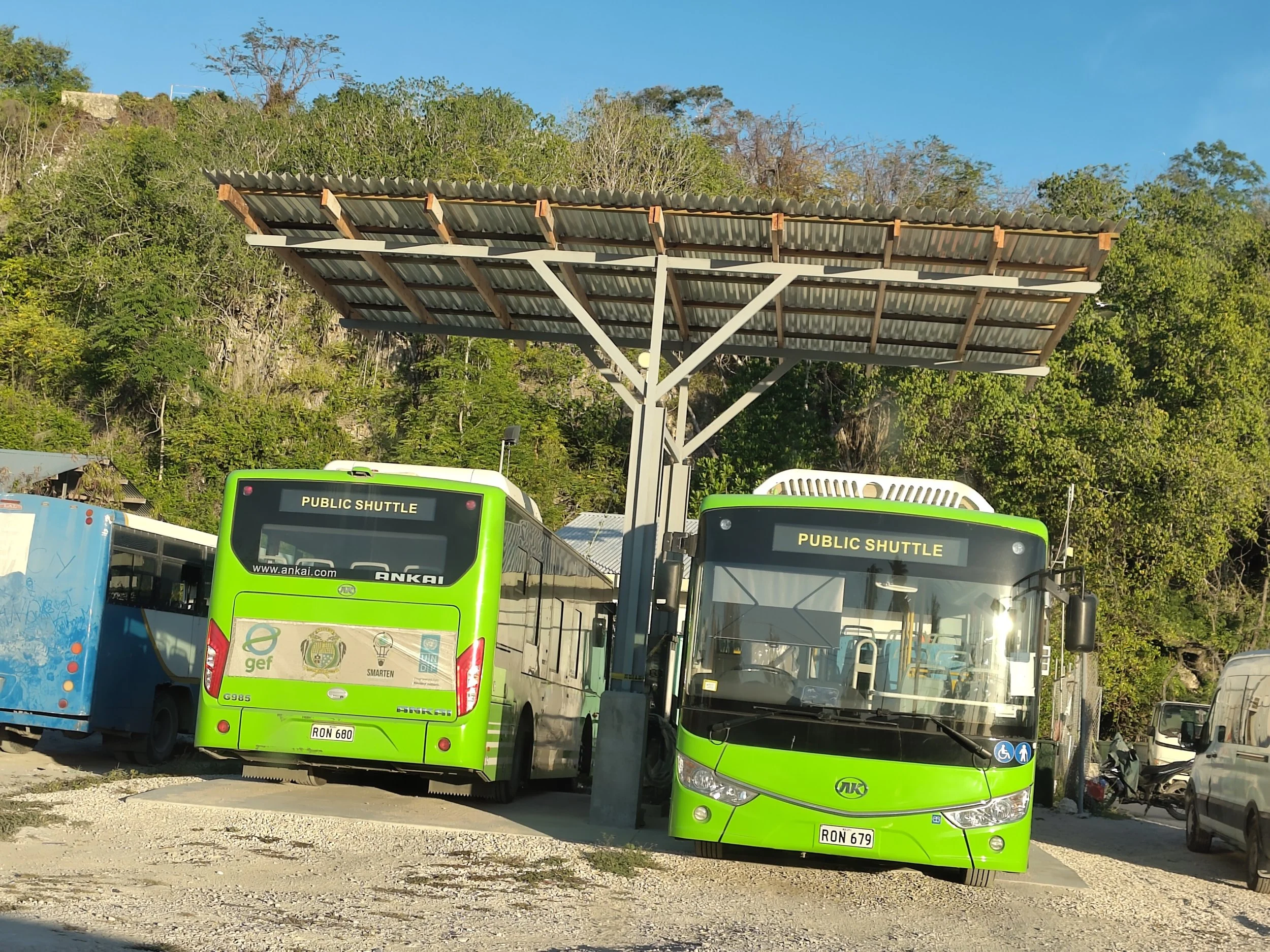
Building on this framework, the UNDP-GEF SMARTEN Project was launched to provide targeted support for renewable energy and energy efficiency initiatives. The project has worked closely with government agencies, utilities, and local communities to test new approaches, invest in infrastructure, and strengthen policy and regulatory environments. Within this context, public transport was identified as a high-impact area where small but well-designed interventions could deliver visible and immediate benefits.
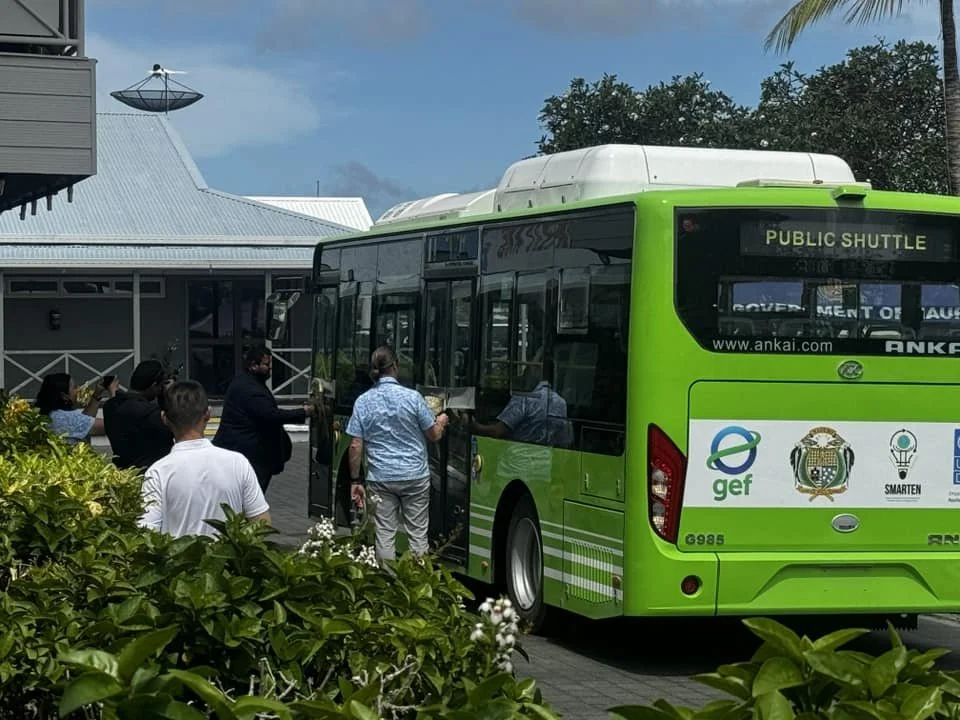
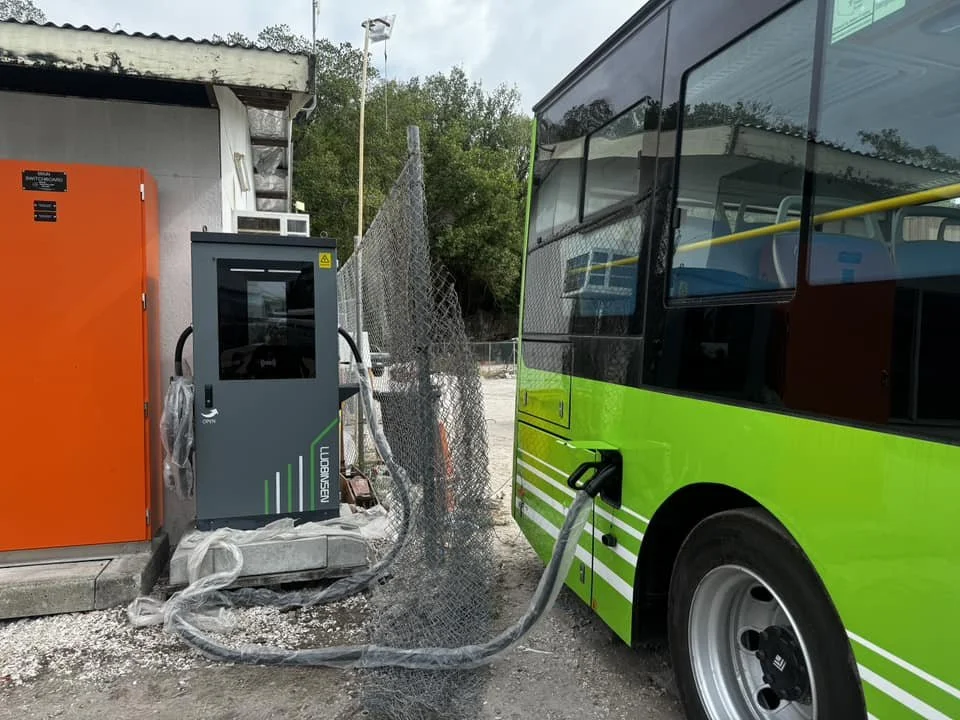
As part of this initiative, two modern electric buses (eBuses) and associated charging infrastructure were procured in 2025. These buses are the first of their kind in Nauru and represent a significant milestone in the country’s journey toward sustainable mobility. They not only reduce greenhouse gas emissions but also lower operating costs compared to conventional fuel vehicles, creating a model that can be scaled up in the future. To ensure their successful integration, technical training and maintenance planning are being provided, laying the groundwork for long-term operation and knowledge transfer.